DonateMembershipVisit Heritage
  • Tūrangawaewae
    Places
  • Tira Māori
    Māori Heritage
  • Poutairangahia
    Archaeology
  • Rauemi
    Resources
  • Mō Tātou
    About Us
  • New Zealand Heritage List
  • Nominate and submit
  • Explore the List
  • National Historic Landmarks
  • Plaques
  • Rainbow List Project
  • Lost heritage
  • Visit Heritage
  • Our properties
  • Turnbull House Project
  • Collections
  • Shop
  • Tohu Whenua
  • Tira Māori
  • Conserving Māori heritage
  • Marae built heritage
  • Māori heritage on the List
  • Hinemihi—Te Hokinga Mai
  • What is archaeology?
  • Is there a site on my property?
  • What are my legal requirements?
  • Affecting an archaeological site
  • Declaring an archaeological site
  • Archaeology FAQs
  • Archaeology Digital Library
  • Archaeology guidelines and templates
  • Resources
  • Funding
  • Publications
  • Sustainable management guides
  • Disaster recovery
  • Podcasts & digital resources
  • Education Hub
  • Conservation plans
  • About
  • Board
  • Māori Heritage Council
  • Senior Staff
  • Offices
  • Contact us
  • Careers
  • Covenants
  • Fast-track
  • Corporate documents
  • Currently consulting on
  • Our submissions
  • News
  • Covid-19 response
Quick links
Rārangi Kōrero | The List
Explore the List
National Historic Landmarks
Ngā Manawhenua o Aotearoa me ōna Kōrero Tūturu
Quick links
Tapuwae
A Vision for Places of Māori Heritage
Funding for Māori Heritage
Resources
Quick links
Archaeological Authority Portal
Applying for an archaeological authority
Archaeology FAQs
Browse the most frequently asked questions about archaeological authorities and the archaeological process.
Quick links
Quick links
News
News Keep up to date with Heritage New Zealand Pouhere Taonga
Membership
Membership Find out more and sign up today
DonateMembershipVisit Heritage
  • Tūrangawaewae
    Places
  • Tira Māori
    Māori Heritage
  • Poutairangahia
    Archaeology
  • Rauemi
    Resources
  • Mō Tātou
    About Us
  • New Zealand Heritage List
  • Nominate and submit
  • Explore the List
  • National Historic Landmarks
  • Plaques
  • Rainbow List Project
  • Lost heritage
  • Visit Heritage
  • Our properties
  • Turnbull House Project
  • Collections
  • Shop
  • Tohu Whenua
  • Tira Māori
  • Conserving Māori heritage
  • Marae built heritage
  • Māori heritage on the List
  • Hinemihi—Te Hokinga Mai
  • What is archaeology?
  • Is there a site on my property?
  • What are my legal requirements?
  • Affecting an archaeological site
  • Declaring an archaeological site
  • Archaeology FAQs
  • Archaeology Digital Library
  • Archaeology guidelines and templates
  • Resources
  • Funding
  • Publications
  • Sustainable management guides
  • Disaster recovery
  • Podcasts & digital resources
  • Education Hub
  • Conservation plans
  • About
  • Board
  • Māori Heritage Council
  • Senior Staff
  • Offices
  • Contact us
  • Careers
  • Covenants
  • Fast-track
  • Corporate documents
  • Currently consulting on
  • Our submissions
  • News
  • Covid-19 response
Quick links
Rārangi Kōrero | The List
Explore the List
National Historic Landmarks
Ngā Manawhenua o Aotearoa me ōna Kōrero Tūturu
Quick links
Tapuwae
A Vision for Places of Māori Heritage
Funding for Māori Heritage
Resources
Quick links
Archaeological Authority Portal
Applying for an archaeological authority
Archaeology FAQs
Browse the most frequently asked questions about archaeological authorities and the archaeological process.
Quick links
Quick links
News
News Keep up to date with Heritage New Zealand Pouhere Taonga
Membership
Membership Find out more and sign up today
  • Places
  • Nominate and submit
  • National Historic Landmarks
  • Places
  • Nominate and submit
  • National Historic Landmarks
  • Tira Māori
  • Conserving Māori heritage
  • Marae built heritage
  • Tira Māori
  • Conserving Māori heritage
  • Marae built heritage
  • Archaeological authorities
  • Archaeology Digital Library
  • Archaeological authorities
  • Archaeology Digital Library
  • All resources
  • Publications
  • Funding
  • All resources
  • Publications
  • Funding
  • FAQs
  • FAQs
Follow us on:
Places
  • Places
  • Nominate and submit
  • National Historic Landmarks
Tira Māori
  • Tira Māori
  • Conserving Māori heritage
  • Marae built heritage
Archaeology
  • Archaeological authorities
  • Archaeology Digital Library
Resources
  • All resources
  • Publications
  • Funding
FAQs
  • FAQs
Follow us on
HomePrivacyTerms and conditionsAbout this site
© Heritage New Zealand Pouhere Taonga 2026.
 
Government House (Former)

Waterloo Quadrant, AUCKLAND

Private

Historic Place Category 1

List No. 105

Quick links:
List GalleryLocationDetails
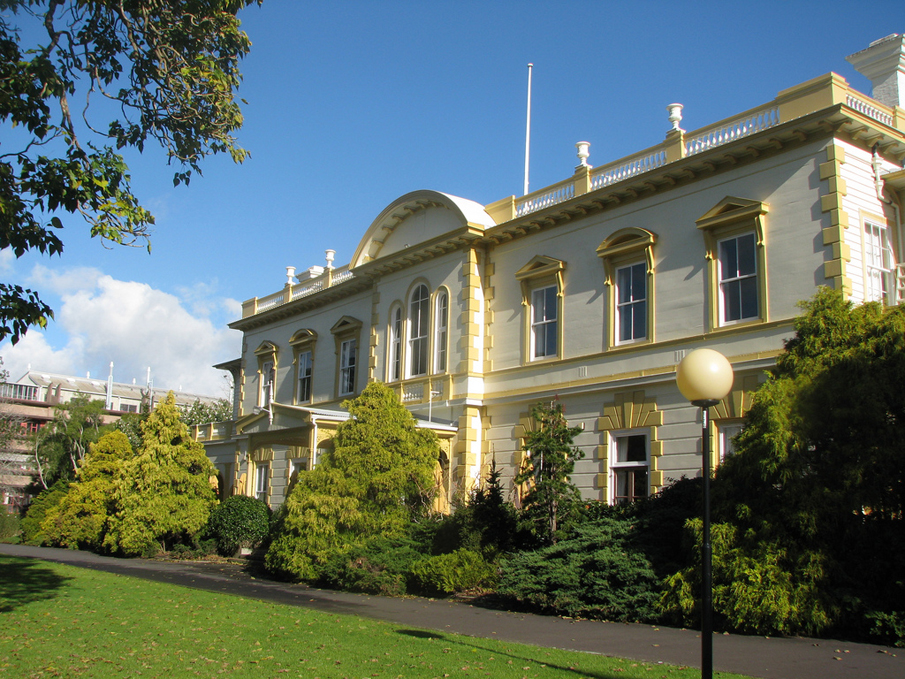
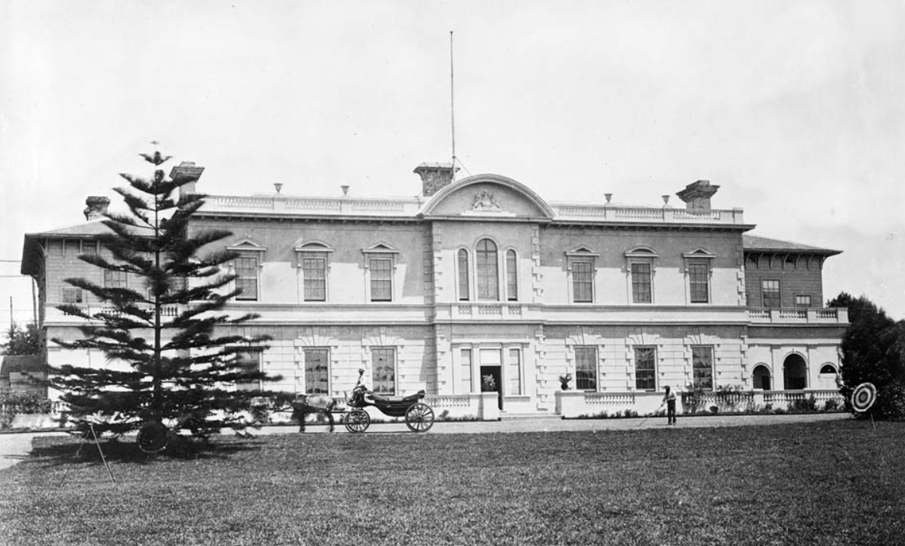
Government House was the largest residence in the country when built for the Governor of New Zealand in 1855-1856. Located in landscaped grounds opposite the site of the General Assembly Building in Auckland, the neoclassical structure replaced an earlier house erected for the first colonial governor, William Hobson (1792-1842), which had burnt down in 1848. The building was constructed shortly after the 1852 Constitution Act established a measure of self-government in New Zealand, creating a three-tiered system of administration that included the Governor, a General Assembly and six Provincial Councils. Initially lived in by Governor Thomas Gore Browne (1807-1887), the stately and impressive timber residence reflected the stature of its occupants who, as the Queen's representatives, remained the most powerful officials in the colony. Unlike its prefabricated predecessor which had been shipped to New Zealand from Britain, it was largely constructed of local materials, including a large kauri facade fashioned to look like stone. The internal arrangement of its two storeys was similar to large country houses in nineteenth-century Britain, with reception and service rooms downstairs, and numerous bedrooms and dressing rooms above. The building was designed by William Mason, who had been the first Superintendent of Public Works in New Zealand, and went on to set up the first formal architectural practice in the country.

An integral part of early colonial government, Government House was retained as a viceregal residence after the capital and its administration moved to Wellington in 1865. The governor continued to use the building as an occasional retreat and to receive visiting dignitaries, bolstering Auckland's role as a major economic and social centre. Later additions that reflect this function include a ballroom constructed for the first British royal visit to New Zealand, made by Prince Alfred, the Duke of Edinburgh in 1869. Chambers for an aide-de-camp and larger servants' quarters expanded the building in the early 1900s, indicating the increasing size and importance of the governor's entourage. Apart from its brief use as the 'Government House Club for the Fighting Forces and Merchant Navy' in the Second World War, the house remained a viceregal residence until 1969, when it was formally taken over by the University of Auckland. It has since provided a senior common room for university staff, and a place for temporary accommodation and lectures.

The former Government House is of national and international significance as the first 'Great House' to have been built in New Zealand and the most substantial government building to survive from early British rule. It is linked to events and figures of national importance, and is valuable for its associations with colonial administration. It is particularly significant for its connections with the establishment of a new constitutional structure in 1852. It is one of the few remaining structures in Auckland that provides a physical link with the town's formal role as colonial capital. The layout and appearance of the building reveal important information about the functioning of a stately residence, and social roles in nineteenth- and twentieth-century New Zealand, including that of governor and servants. Its fabric demonstrates early colonial construction techniques on an unusually large scale, and the predominant use of timber as a regional craft tradition. The building is held in high public esteem, having been the subject of several petitions to prevent its demolition, and is part of an important historic landscape that includes its gardens as well as nearby structures such as the Albert Barracks Wall and St Andrew's Church. It is an important example of the work of William Mason, who was the first architect in the colony to have served articles in the European tradition.
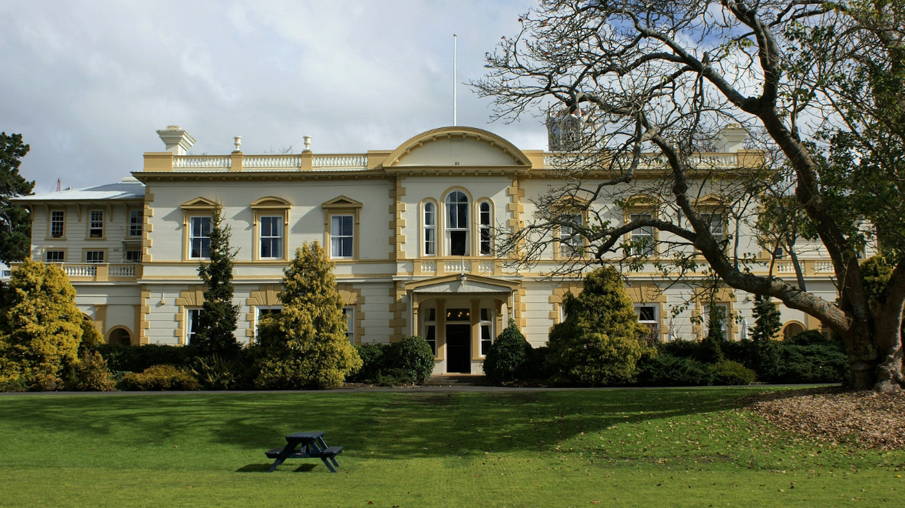
Government House (Former), Auckland. Image courtesy of www.flickr.com | PhilBee NZ - Phil Braithwaite | 02/08/2014 | Phil Braithwaite
Government House (Former), Auckland. CCL 2.0 Image courtesy of commons.wikimedia.org | Wayne Feiden | 16/07/2011 | Wayne Feiden
Government House (Former), Auckland. 1880s. Alexander Turnbull Library, Wellington, New Zealand. Ref: PAColl-8794 | Unknown | No Known Copyright Restrictions
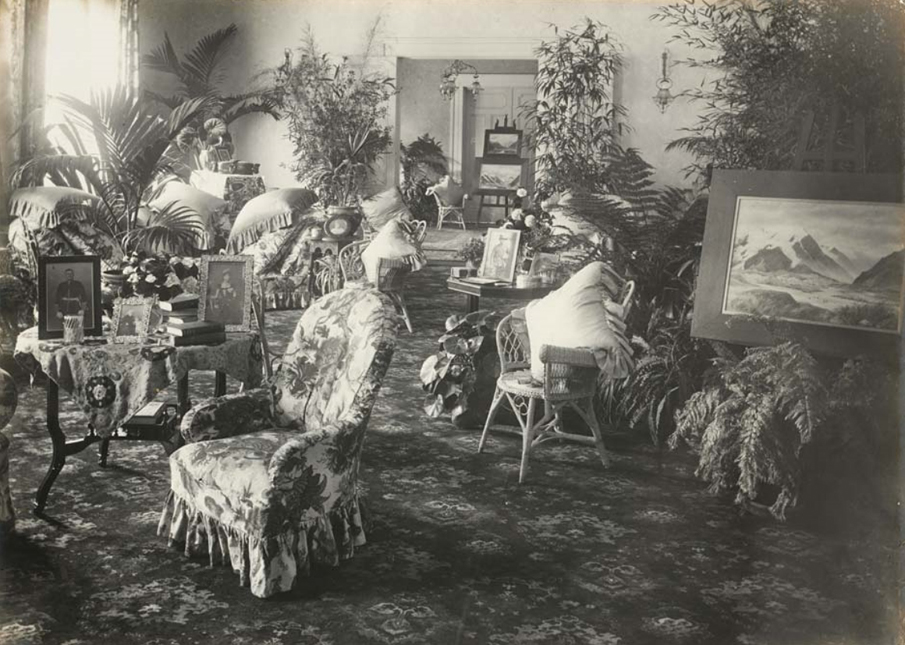
Government House (Former), Auckland. Drawing room, Ranfurly family photographs, c.1900. Alexander Turnbull Library, Wellington, New Zealand. Ref no.PA1-f-194-27 | Unknown | No Known Copyright Restrictions
Government House (Former), Auckland. Image courtesy of www.flickr.com | PhilBee NZ - Phil Braithwaite | 02/08/2014 | Phil Braithwaite
Government House (Former), Auckland. CCL 2.0 Image courtesy of commons.wikimedia.org | Wayne Feiden | 16/07/2011 | Wayne Feiden
Government House (Former), Auckland. 1880s. Alexander Turnbull Library, Wellington, New Zealand. Ref: PAColl-8794 | Unknown | No Known Copyright Restrictions
Government House (Former), Auckland. Drawing room, Ranfurly family photographs, c.1900. Alexander Turnbull Library, Wellington, New Zealand. Ref no.PA1-f-194-27 | Unknown | No Known Copyright Restrictions

List Entry Information

Overview

Status
Listed

List Entry Status
Historic Place Category 1

Access
Private/No Public Access

List Number
105

Date Entered
24th November 1983

Date of Effect
24th November 1983

City/District Council
Auckland Council

Region
Auckland Council

Legal description

Pt Allots 1 & 2 Sec 6 City of Auckland

Detailed List Entry

Construction Professional

Name

Mason, William

Type

Architect

Biography

William Mason was born at Suffolk, England, in 1810. He attended a private school in Ipswich and was then articled to his father. He moved to London to study architecture under Thomas Telford and Peter Nicholson and was later employed by Edward Blore, special architect to William IV and to Queen Victoria. In 1838 he moved to New South Wales with wife Sarah and young son, working with colonial architect Mortimer Lewis. Mason was offered the position of superintendent of public works under Felton Mathew by William Hobson, Governor of New Zealand. Mason arrived at the Bay of Islands on 17 March 1840. He was a member of the founding party which arrived at the site of Auckland on 16 September 1840. In July 1841 Mason resigned his position and entered a three-year partnership with Thomas Paton and became involved in farming and local politics as well as architecture. Mason had been in New Zealand for 20 years when he first set up as an architect in the gold mining boom town of Dunedin in 1862, employed to design the southern offices for the recently formed Bank of New Zealand in Dunedin. He set up practice with David Ross, and later with W. H. Clayton. In this period, he designed the Colonial Bank, the 1864 exhibition building which became part of the Dunedin Hospital, the combined post office and courthouse, and Edinburgh House. Mason was elected the first mayor of Dunedin and served two terms. Mason had retired briefly in the late 1860s but returned to work entering into partnership with N. Y. A. Wales in 1871. During this time he designed Bishopscourt and the extension to All Saints Church. In 1876 Mason and his second wife retired to live at Queenstown. After building at Paradise and farming for a few years, a period of ill health drove him back to Dunedin where he died at the Grand Hotel on 22 June 1897.

Construction Details

Start Year

1855

Finish Year

1856

Type

Original Construction

Description

Construction of Government House

Start Year

1862

Type

Addition

Description

Conservatory added on northwest front

Start Year

1868

Finish Year

1869

Type

Modification

Description

Ballroom added and general refurbishment of house

Start Year

1890

Type

Modification

Description

Portico added on northeast front

Start Year

1898

Finish Year

1899

Type

Modification

Description

Interior renovated

Start Year

1904

Type

Modification

Description

Rooms added for aide-de-camp

Start Year

1910

Finish Year

1913

Type

Modification

Description

Servants' quarters enlarged

Start Year

1916

Type

Modification

Description

Repairs after major fire

Start Year

1949

Type

Modification

Description

Renovation of building for royal visit

Start Year

1977

Finish Year

1990

Type

Modification

Description

Conservation programme, with alterations to portico and other elements

Notable Features

Registration covers the building, its fixtures and fittings. It also includes recent modifications. The building is located on the site of an earlier Government House, and on or close to the site of a Maori pa - Te Reuroa - and other Maori activity.

Reference

Completion Date

19th September 2001

Report Written By

Martin Jones

Information Sources

Wood, 1975

G.A. Wood, The Governor and his Northern House, Auckland, 1975

Oldham, 1998

Denys Oldham, 'Old Government House 1975-1998, Princes Street, Auckland: a report prepared for the Facilities Manager, University of Auckland', Auckland, 1998 (held by NZHPT, Auckland)

Oliver, 1981

William H. Oliver, The Oxford History of New Zealand, Wellington, 1981

Stacpoole, 1971

John Stacpoole, William Mason: The First New Zealand Architect, Auckland, 1971

Report Written By

This place was identified as significant under previous legislation with different information requirements. It remains significant under the current legislation. There is opportunity under our legislation and policies to add to this information. Further information about this place may be available from the Northern Regional Office of Heritage New Zealand Pouhere Taonga. Please note that entry on the New Zealand Heritage List/Rarangi Korero identifies only the heritage values of the property concerned, and should not be construed as advice on the state of the property, or as a comment of its soundness or safety, including in regard to earthquake risk, safety in the event of fire, or insanitary conditions. 'This historic place was registered under the Historic Places Act 1980. The following text is the original citation considered by the NZHPT Board at the time of registration. Information in square brackets indicate modifications made after the paper was considered by the NZHPT Board.

Further Information

Current Usages

Uses: Civic Facilities

Specific Usage: Club rooms/building

Uses: Education

Specific Usage: Staff housing

Uses: Education

Specific Usage: University

Former Usages

General Usage:: Government

Specific Usage: Parliament House

Themes

Web Links

description: University of Auckland video on the history of Old Government House

url: http://www.auckland.ac.nz/uoa/home/about/the-university/university-history/old-government-house

description: University of Auckland video on the University of Auckland Gardens

url: http://www.auckland.ac.nz/uoa/home/about/the-university/university-history/history-of-the-university-of-auckland-gardens

description: History of Parliament buildings and grounds

url: http://www.parliament.nz/en-NZ/AboutParl/HowPWorks/FactSheets/d/2/f/00PlibJMPBG1-History-of-Parliament-s-buildings-and-grounds.htm

Overview

Status

Listed

List Entry Status

Historic Place Category 1

Access

Private/No Public Access

List Number

105

Date Entered

24th November 1983

Date of Effect

24th November 1983

City/District Council

Auckland Council

Region

Auckland Council

Legal description

Pt Allots 1 & 2 Sec 6 City of Auckland

Status

Listed

List Entry Status

Historic Place Category 1

Access

Private/No Public Access

List Number

105

Date Entered

24th November 1983

Date of Effect

24th November 1983

City/District Council

Auckland Council

Region

Auckland Council

Legal description

Pt Allots 1 & 2 Sec 6 City of Auckland

Construction Information

Construction Professional

Name

Mason, William

Type

Architect

Biography

William Mason was born at Suffolk, England, in 1810. He attended a private school in Ipswich and was then articled to his father. He moved to London to study architecture under Thomas Telford and Peter Nicholson and was later employed by Edward Blore, special architect to William IV and to Queen Victoria. In 1838 he moved to New South Wales with wife Sarah and young son, working with colonial architect Mortimer Lewis. Mason was offered the position of superintendent of public works under Felton Mathew by William Hobson, Governor of New Zealand. Mason arrived at the Bay of Islands on 17 March 1840. He was a member of the founding party which arrived at the site of Auckland on 16 September 1840. In July 1841 Mason resigned his position and entered a three-year partnership with Thomas Paton and became involved in farming and local politics as well as architecture. Mason had been in New Zealand for 20 years when he first set up as an architect in the gold mining boom town of Dunedin in 1862, employed to design the southern offices for the recently formed Bank of New Zealand in Dunedin. He set up practice with David Ross, and later with W. H. Clayton. In this period, he designed the Colonial Bank, the 1864 exhibition building which became part of the Dunedin Hospital, the combined post office and courthouse, and Edinburgh House. Mason was elected the first mayor of Dunedin and served two terms. Mason had retired briefly in the late 1860s but returned to work entering into partnership with N. Y. A. Wales in 1871. During this time he designed Bishopscourt and the extension to All Saints Church. In 1876 Mason and his second wife retired to live at Queenstown. After building at Paradise and farming for a few years, a period of ill health drove him back to Dunedin where he died at the Grand Hotel on 22 June 1897.

Construction Details

Start Year

1855

Finish Year

1856

Type

Original Construction

Description

Construction of Government House

Start Year

1862

startYearCirca

Type

Addition

Description

Conservatory added on northwest front

Start Year

1868

Finish Year

1869

Type

Modification

Description

Ballroom added and general refurbishment of house

Start Year

1890

startYearCirca

Type

Modification

Description

Portico added on northeast front

Start Year

1898

Finish Year

1899

Type

Modification

Description

Interior renovated

Start Year

1904

startYearCirca

Type

Modification

Description

Rooms added for aide-de-camp

Start Year

1910

Finish Year

1913

Type

Modification

Description

Servants' quarters enlarged

Start Year

1916

startYearCirca

Type

Modification

Description

Repairs after major fire

Start Year

1949

Type

Modification

Description

Renovation of building for royal visit

Start Year

1977

Finish Year

1990

Type

Modification

Description

Conservation programme, with alterations to portico and other elements

Notable Features

Registration covers the building, its fixtures and fittings. It also includes recent modifications. The building is located on the site of an earlier Government House, and on or close to the site of a Maori pa - Te Reuroa - and other Maori activity.

Construction Professional

Name

Mason, William

Type

Architect

Biography

William Mason was born at Suffolk, England, in 1810. He attended a private school in Ipswich and was then articled to his father. He moved to London to study architecture under Thomas Telford and Peter Nicholson and was later employed by Edward Blore, special architect to William IV and to Queen Victoria. In 1838 he moved to New South Wales with wife Sarah and young son, working with colonial architect Mortimer Lewis. Mason was offered the position of superintendent of public works under Felton Mathew by William Hobson, Governor of New Zealand. Mason arrived at the Bay of Islands on 17 March 1840. He was a member of the founding party which arrived at the site of Auckland on 16 September 1840. In July 1841 Mason resigned his position and entered a three-year partnership with Thomas Paton and became involved in farming and local politics as well as architecture. Mason had been in New Zealand for 20 years when he first set up as an architect in the gold mining boom town of Dunedin in 1862, employed to design the southern offices for the recently formed Bank of New Zealand in Dunedin. He set up practice with David Ross, and later with W. H. Clayton. In this period, he designed the Colonial Bank, the 1864 exhibition building which became part of the Dunedin Hospital, the combined post office and courthouse, and Edinburgh House. Mason was elected the first mayor of Dunedin and served two terms. Mason had retired briefly in the late 1860s but returned to work entering into partnership with N. Y. A. Wales in 1871. During this time he designed Bishopscourt and the extension to All Saints Church. In 1876 Mason and his second wife retired to live at Queenstown. After building at Paradise and farming for a few years, a period of ill health drove him back to Dunedin where he died at the Grand Hotel on 22 June 1897.

Construction Details

Start Year

1855

Finish Year

1856

Type

Original Construction

Description

Construction of Government House

Start Year

1862

startYearCirca

Type

Addition

Description

Conservatory added on northwest front

Start Year

1868

Finish Year

1869

Type

Modification

Description

Ballroom added and general refurbishment of house

Start Year

1890

startYearCirca

Type

Modification

Description

Portico added on northeast front

Start Year

1898

Finish Year

1899

Type

Modification

Description

Interior renovated

Start Year

1904

startYearCirca

Type

Modification

Description

Rooms added for aide-de-camp

Start Year

1910

Finish Year

1913

Type

Modification

Description

Servants' quarters enlarged

Start Year

1916

startYearCirca

Type

Modification

Description

Repairs after major fire

Start Year

1949

Type

Modification

Description

Renovation of building for royal visit

Start Year

1977

Finish Year

1990

Type

Modification

Description

Conservation programme, with alterations to portico and other elements

Notable Features

Registration covers the building, its fixtures and fittings. It also includes recent modifications. The building is located on the site of an earlier Government House, and on or close to the site of a Maori pa - Te Reuroa - and other Maori activity.

Reference

Historical and Associated Iwi / Hapū / Whānau

Completion Date

19th September 2001

Report Written By

Martin Jones

Information Sources

Wood, 1975

G.A. Wood, The Governor and his Northern House, Auckland, 1975

Oldham, 1998

Denys Oldham, 'Old Government House 1975-1998, Princes Street, Auckland: a report prepared for the Facilities Manager, University of Auckland', Auckland, 1998 (held by NZHPT, Auckland)

Oliver, 1981

William H. Oliver, The Oxford History of New Zealand, Wellington, 1981

Stacpoole, 1971

John Stacpoole, William Mason: The First New Zealand Architect, Auckland, 1971

Other Information

This place was identified as significant under previous legislation with different information requirements. It remains significant under the current legislation. There is opportunity under our legislation and policies to add to this information. Further information about this place may be available from the Northern Regional Office of Heritage New Zealand Pouhere Taonga. Please note that entry on the New Zealand Heritage List/Rarangi Korero identifies only the heritage values of the property concerned, and should not be construed as advice on the state of the property, or as a comment of its soundness or safety, including in regard to earthquake risk, safety in the event of fire, or insanitary conditions. 'This historic place was registered under the Historic Places Act 1980. The following text is the original citation considered by the NZHPT Board at the time of registration. Information in square brackets indicate modifications made after the paper was considered by the NZHPT Board.

Historical and Associated Iwi / Hapū / Whānau

Completion Date

19th September 2001

Report Written By

Martin Jones

Information Sources

Wood, 1975

G.A. Wood, The Governor and his Northern House, Auckland, 1975

Oldham, 1998

Denys Oldham, 'Old Government House 1975-1998, Princes Street, Auckland: a report prepared for the Facilities Manager, University of Auckland', Auckland, 1998 (held by NZHPT, Auckland)

Oliver, 1981

William H. Oliver, The Oxford History of New Zealand, Wellington, 1981

Stacpoole, 1971

John Stacpoole, William Mason: The First New Zealand Architect, Auckland, 1971

Other Information

This place was identified as significant under previous legislation with different information requirements. It remains significant under the current legislation. There is opportunity under our legislation and policies to add to this information. Further information about this place may be available from the Northern Regional Office of Heritage New Zealand Pouhere Taonga. Please note that entry on the New Zealand Heritage List/Rarangi Korero identifies only the heritage values of the property concerned, and should not be construed as advice on the state of the property, or as a comment of its soundness or safety, including in regard to earthquake risk, safety in the event of fire, or insanitary conditions. 'This historic place was registered under the Historic Places Act 1980. The following text is the original citation considered by the NZHPT Board at the time of registration. Information in square brackets indicate modifications made after the paper was considered by the NZHPT Board.

Further Information

Current Usages

Uses: Civic Facilities

Specific Usage: Club rooms/building

Uses: Education

Specific Usage: Staff housing

Uses: Education

Specific Usage: University

Former Usages

General Usage: Government

Specific Usage: Parliament House

Web Links

description: University of Auckland video on the history of Old Government House

url: http://www.auckland.ac.nz/uoa/home/about/the-university/university-history/old-government-house

description: University of Auckland video on the University of Auckland Gardens

url: http://www.auckland.ac.nz/uoa/home/about/the-university/university-history/history-of-the-university-of-auckland-gardens

description: History of Parliament buildings and grounds

url: http://www.parliament.nz/en-NZ/AboutParl/HowPWorks/FactSheets/d/2/f/00PlibJMPBG1-History-of-Parliament-s-buildings-and-grounds.htm

Current Usages

Uses: Civic Facilities

Specific Usage: Club rooms/building

Uses: Education

Specific Usage: Staff housing

Uses: Education

Specific Usage: University

Former Usages

General Usage: Government

Specific Usage: Parliament House

Web Links

description: University of Auckland video on the history of Old Government House

url: http://www.auckland.ac.nz/uoa/home/about/the-university/university-history/old-government-house

description: University of Auckland video on the University of Auckland Gardens

url: http://www.auckland.ac.nz/uoa/home/about/the-university/university-history/history-of-the-university-of-auckland-gardens

description: History of Parliament buildings and grounds

url: http://www.parliament.nz/en-NZ/AboutParl/HowPWorks/FactSheets/d/2/f/00PlibJMPBG1-History-of-Parliament-s-buildings-and-grounds.htm

Location

Loading
Related listings
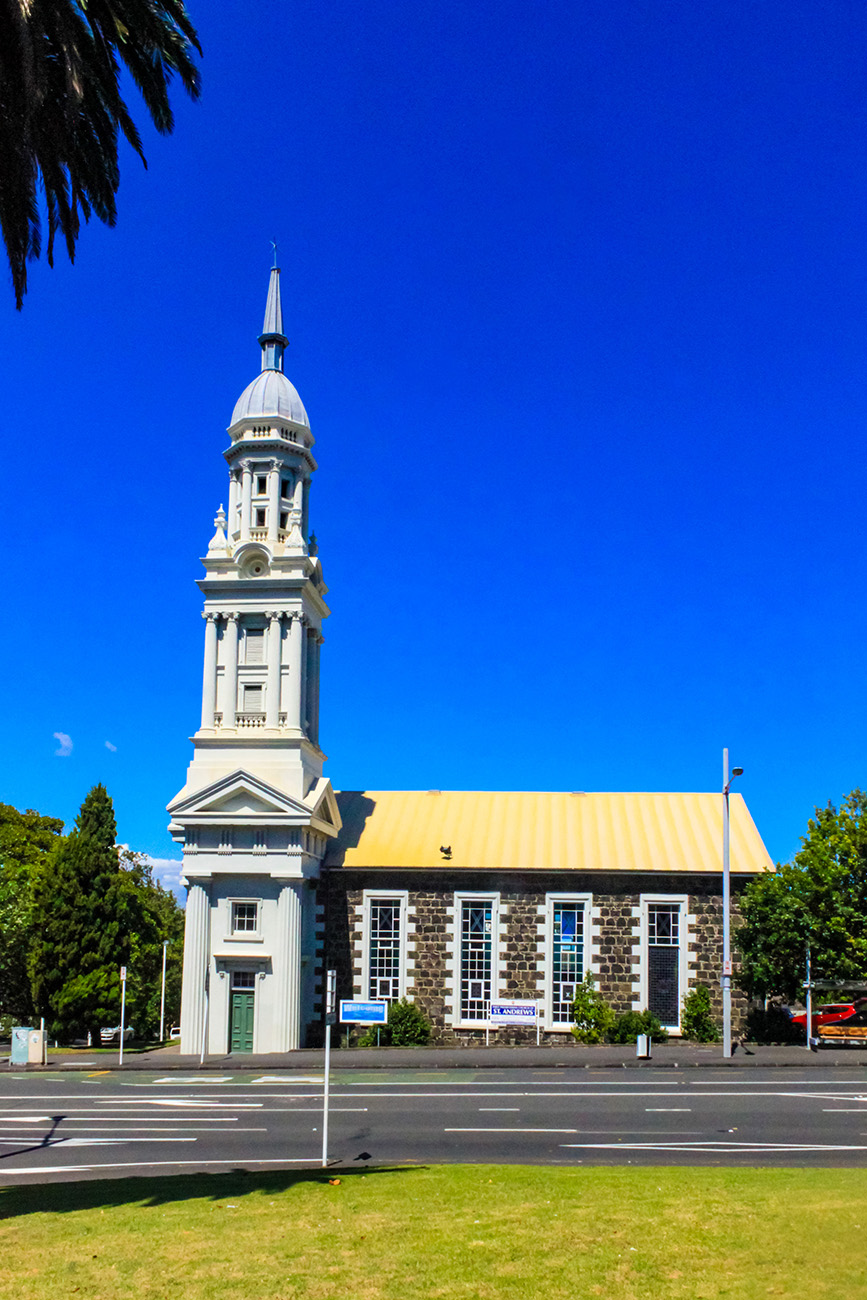
St Andrew's Church (Presbyterian), Auckland. CC BY-NC 2.0 Image courtesy of www.flickr.com
St Andrew's Church (Presbyterian)
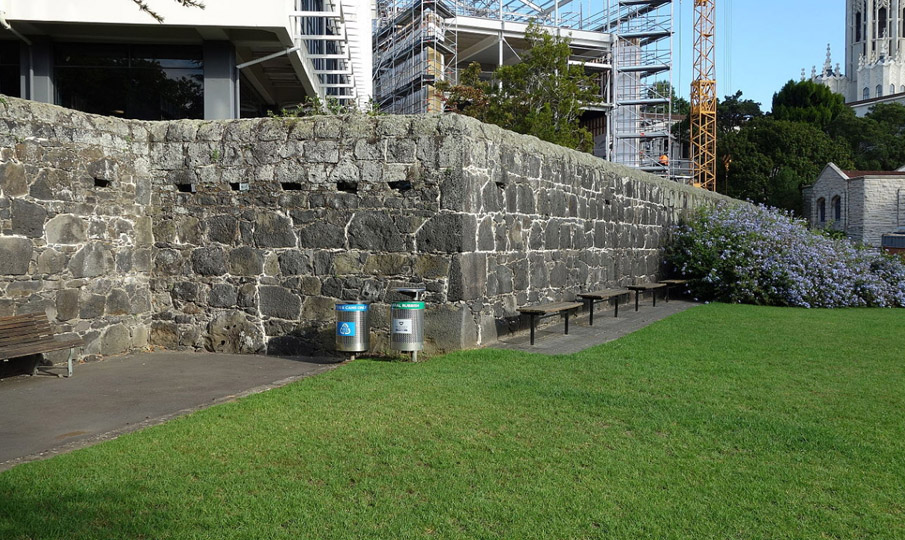
Albert Barracks Wall (University of Auckland Campus). CC Licence 4.0 Image courtesy of commons.wikimedia.org
Albert Barracks Wall (University of Auckland Campus)
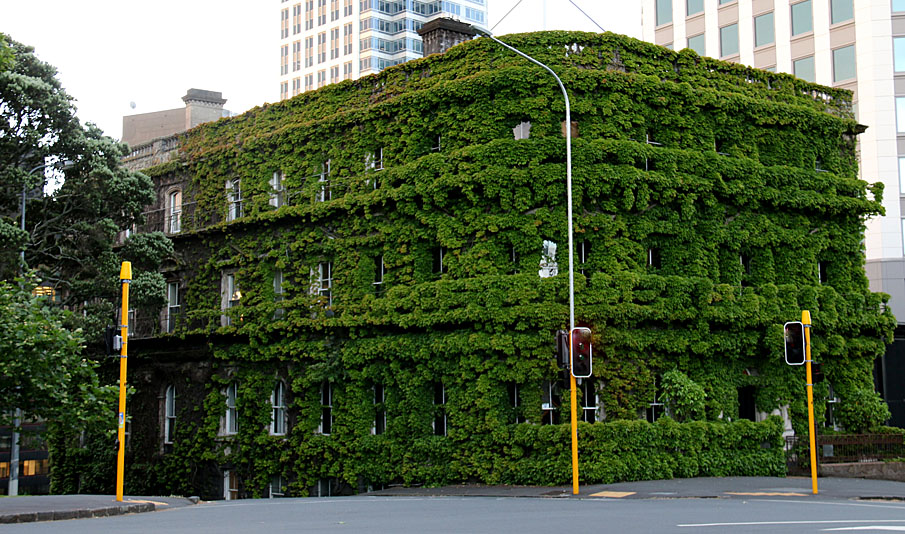
Northern Club Building, Auckland. Image courtesy of www.flickr.com
Northern Club Building
Albert Barracks Wall (University of Auckland Campus). CC Licence 4.0 Image courtesy of commons.wikimedia.org
Albert Barracks Wall (University of Auckland Campus)
St Andrew's Church (Presbyterian), Auckland. CC BY-NC 2.0 Image courtesy of www.flickr.com
St Andrew's Church (Presbyterian)
Northern Club Building, Auckland. Image courtesy of www.flickr.com
Northern Club Building
Stay up to date with Heritage this month